
The Future of Oncology AI: Bridging Innovation with Integration

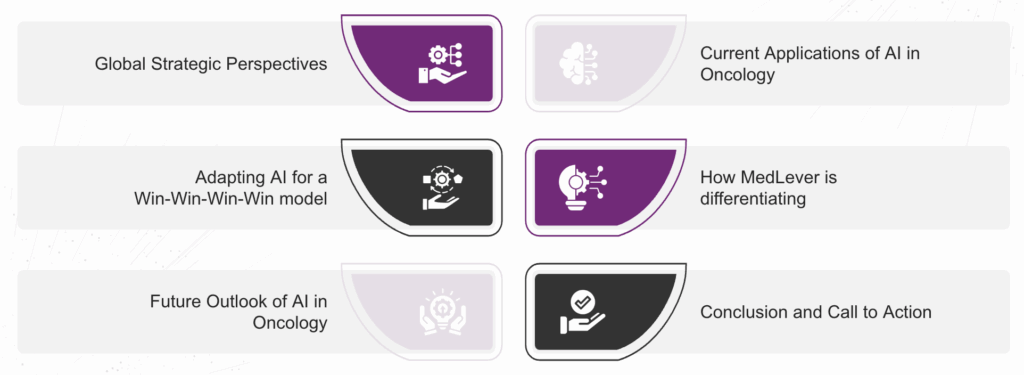
The Strategic Imperative The first wave of oncology AI focused on algorithmic accuracy; the next wave will be defined by integration excellence. The differentiator in healthcare AI is no longer how accurate the model is, but how well organizations can safely embed and scale that intelligence into clinical reality. MedLever’s workflow-first platform transforms AI from […]
The Win–Win–Win–Win Model: Value Across Stakeholders

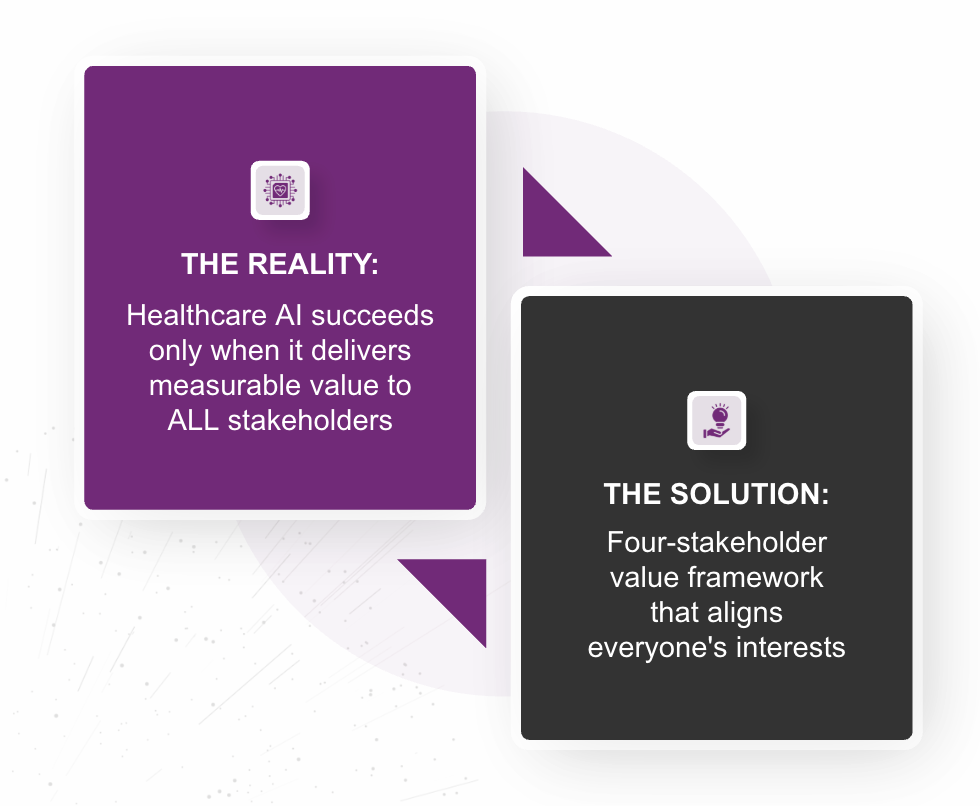
The Four-Stakeholder Framework Win for Patients: AI-enhanced precision and personalized therapy improve clinical outcomes and care consistency while reducing delays. Win for Clinicians: Integrated AI tools cut administrative burden and repetitive work, freeing providers to focus on patient care. Win for Healthcare Systems: AI-optimized workflows reduce costs, prevent rework, and increase patient throughput using existing […]
Fragmented Excellence vs. Workflow-Native Integration: The Future of AI in Oncology
Introduction: The Paradox of Excellence The cancer care landscape is characterized by incredible technological breakthroughs. Specialized AI tools are achieving milestones in diagnostics and planning that were impossible just a few years ago. Yet, these individual achievements often create a paradox: Fragmented Excellence—powerful but disconnected point solutions that fail to scale or integrate effectively into […]
From Concept to Clinical Impact: MedLever’s Workflow-First Model for Sustainable Oncology AI
Introduction: The Integration Challenge The promise of Artificial Intelligence (AI) in oncology is undeniable, yet realizing its potential depends less on algorithmic sophistication and more on its effective integration into daily clinical workflows. The current landscape is dominated by fragmented AI “point solutions” single use tools that often disrupt clinical workflows, adding administrative burden instead […]
Governance in Practice: How Healthcare Organizations Prepare for Regulation

The Compliance Advantage As we conclude our series on regulation, we move from the what (the laws) to the how (the execution). For healthcare providers and AI developers, the evolving regulatory environment is often viewed as a hurdle. However, it should be viewed as a roadmap. The regulatory environment will only become more stringent. Organizations […]
AI Regulation: Balancing Innovation with Ethical Safeguards
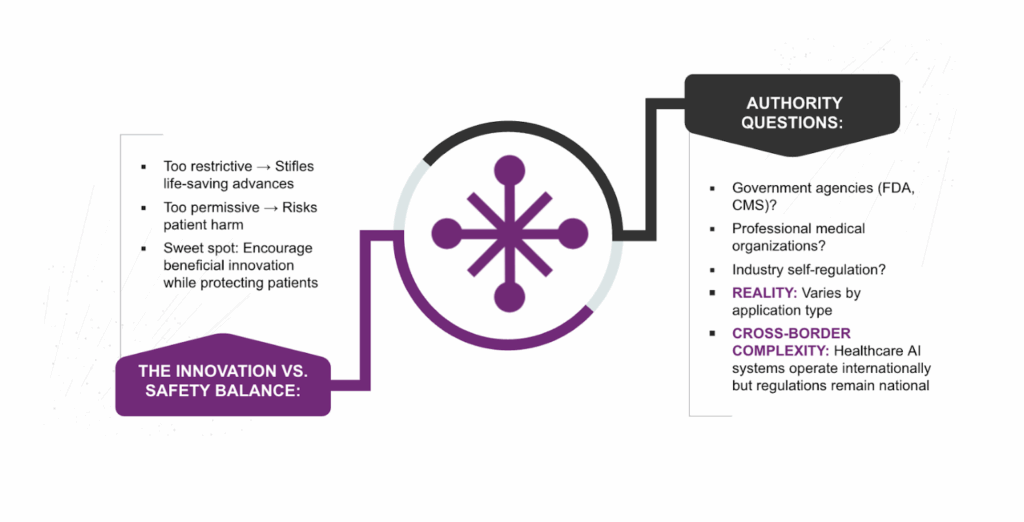
Introduction: The Regulatory Imperative As AI capabilities expand across healthcare, we face a critical tipping point. While the potential for improved patient outcomes is immense, comprehensive regulation has become essential to prevent unintended consequences and misuse. Healthcare AI regulation is not just about bureaucracy; it targets fundamental concerns that directly impact patient safety and health […]
Toward a Safety-First Framework: What AI Can Learn from Aviation
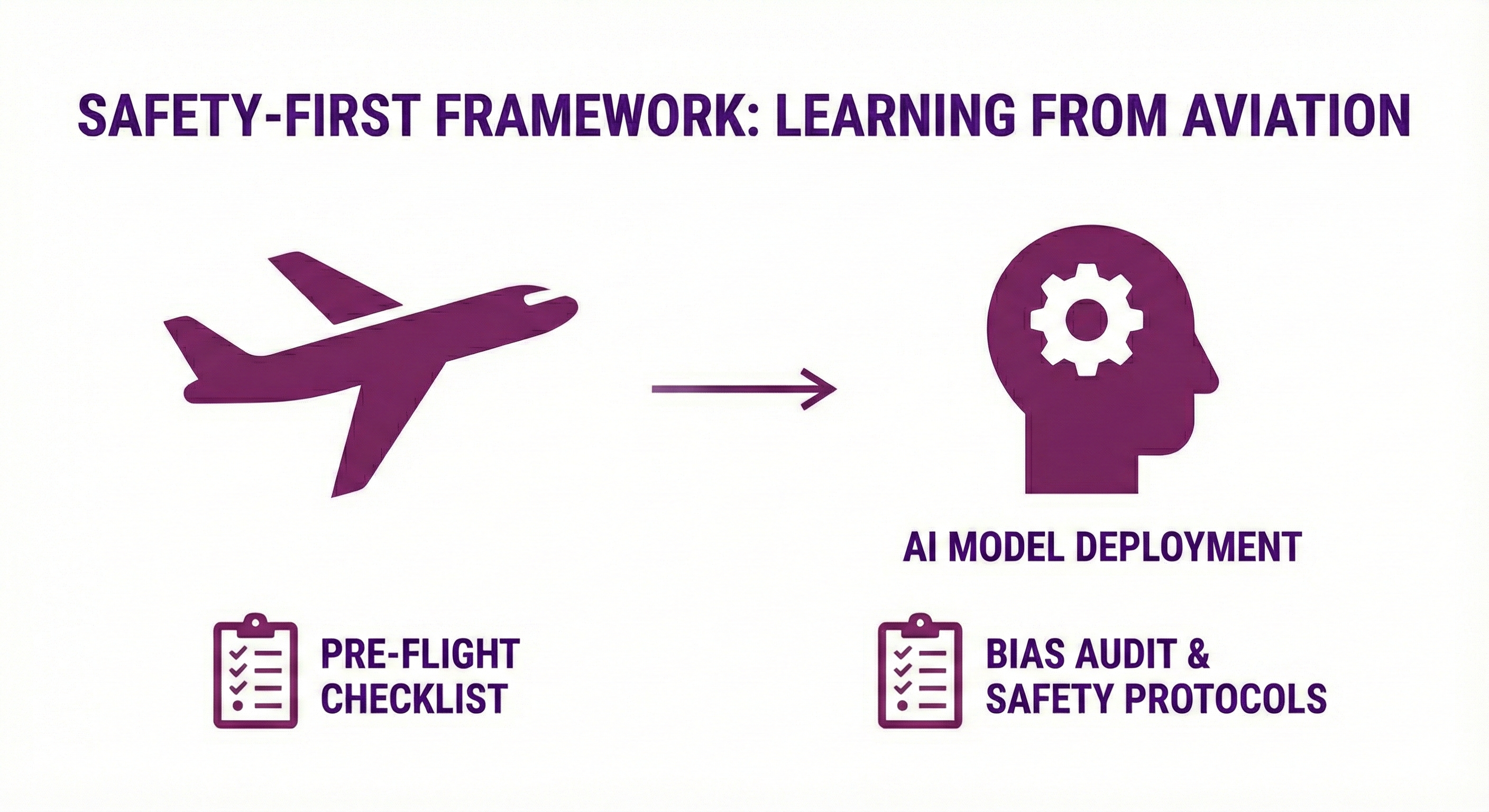
Introduction: The Pilot and the Algorithm In this series, we have explored the technical fractures where bias enters the AI pipeline—from hidden proxies in data to the “Group Attribute Paradox” in algorithms. But fixing these individual fractures is not enough. To truly ensure equity, healthcare needs a fundamental shift in culture. We do not need […]
The Last Mile: Bias in Algorithms and Human Interaction
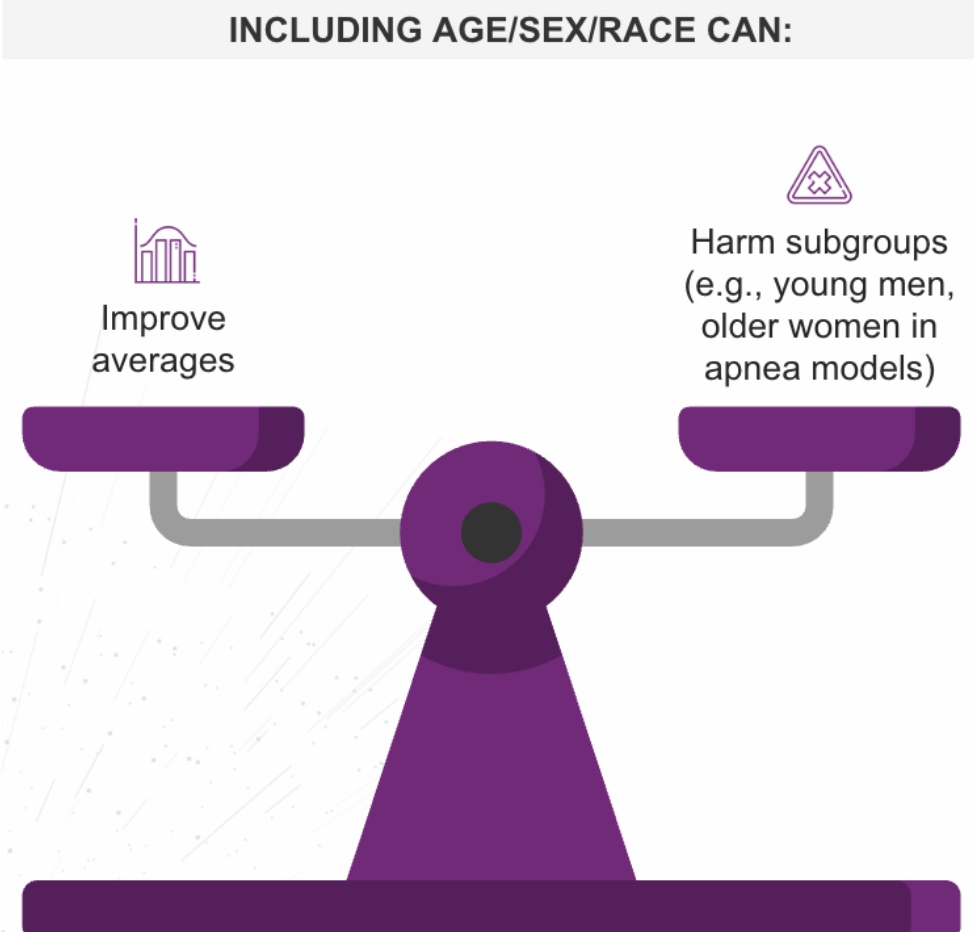
Introduction: The Paradox of Optimization In the final stages of the AI pipeline, we encounter a counter-intuitive reality. We often assume that giving an AI more information about a patient—like their age, sex, or race—will automatically make it “fairer.” However, Stage 3 of our pipeline analysis reveals the Group Attribute Paradox: including demographic attributes can […]
Inside the Engine: How to Train Oncology AI Without “Cheating”
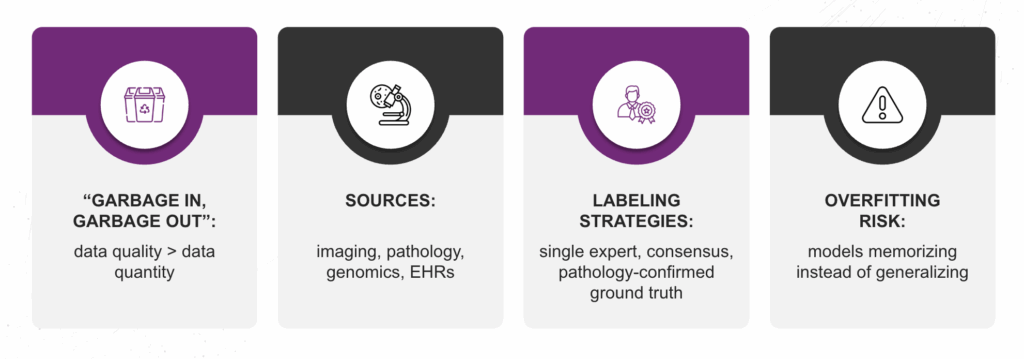
Data quality determines everything. Sophisticated algorithms cannot compensate for biased or poorly curated datasets. But once you have the data, how do you train a model that is safe for patients? The “Garbage In, Garbage Out” Reality In radiation oncology, data acquisition is uniquely complex. We aren’t just dealing with spreadsheets; we are dealing with […]
3 Myths Derailing AI in Healthcare (And What Actually Works)
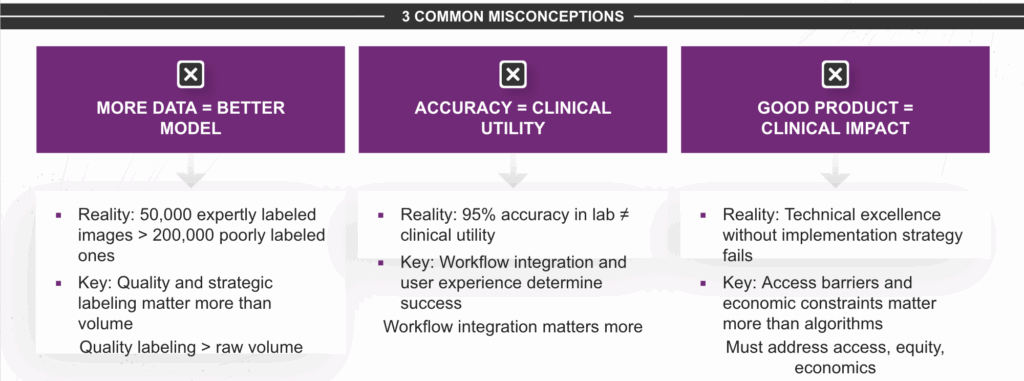
The gap between research promise and clinical reality often stems from three persistent misconceptions. These myths don’t just slow progress; they lead to expensive failures that could otherwise transform patient care. Myth 1: “More Data is Always Better” There is a belief that simply accumulating massive datasets guarantees a better model. This is false. In […]